Screening Children for Type 1 Diabetes: Evidence from Milan That Europe Is Ready
October 29, 2026
For a family, a diagnosis of type 1 diabetes often arrives in an emergency department, with a child already seriously ill from diabetic ketoacidosis. New evidence presented at EASD 2026 in Milan shows that this need not be the case, and that screening children before symptoms appear can work across very different health systems.
The EDENT1FI consortium, a European initiative coordinated by Professor Chantal Mathieu of KU Leuven and Professor Anette-Gabriele Ziegler of Helmholtz Munich, reported results from pilot screening programmes in eight countries: Czechia, Denmark, Germany, Italy, Poland, Portugal, Sweden and the United Kingdom. Using a common protocol, sites tested children's blood for the islet autoantibodies that signal the earliest, symptom free stages of type 1 diabetes.
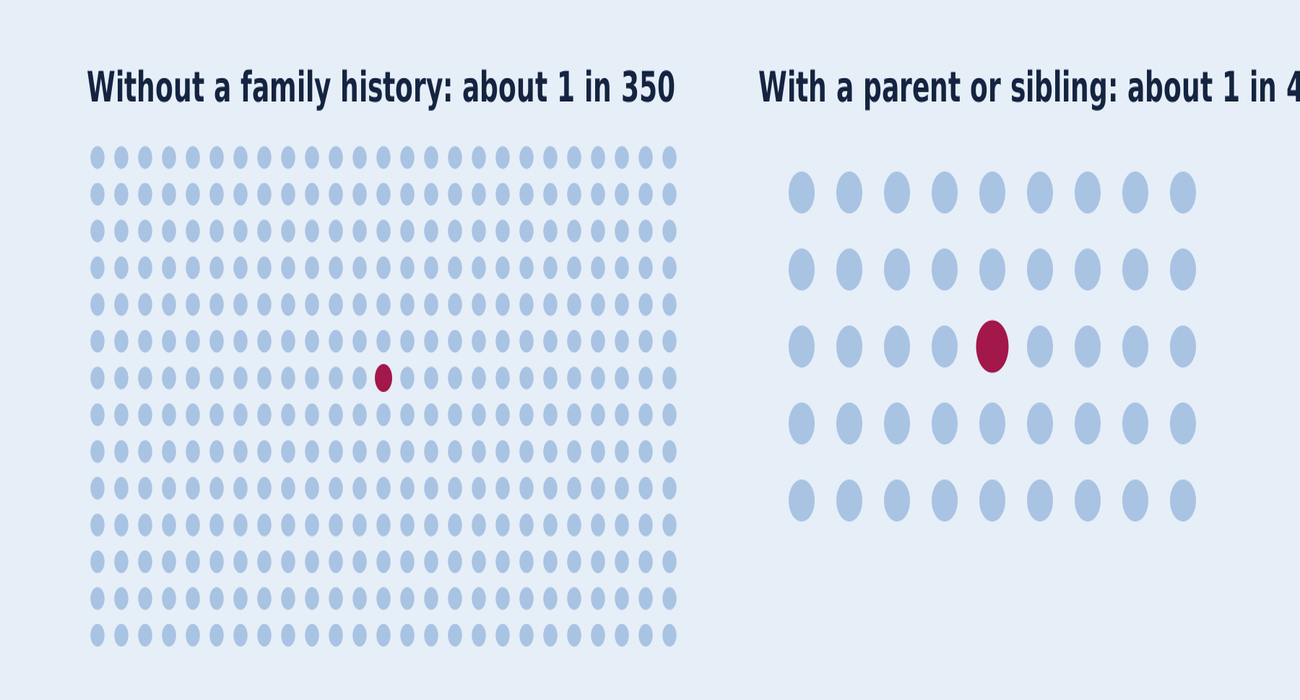
A total of 140,568 children and young people took part, at a median age of 7.6 years. Around 1 in 45 children with a parent or sibling living with type 1 diabetes was found to be in the early stages of the condition, as was around 1 in 350 children with no family history. Because most children who develop type 1 diabetes have no affected relative, the second group accounts for the larger number of cases: 408 children, compared with 219 among those with a family history. In the United Kingdom, 17,409 children were screened; in Germany, 43,470.
Early detection matters because children identified before symptoms can be monitored, educated and supported, which is associated with a lower risk of diabetic ketoacidosis at diagnosis. It also opens the door to treatment: one therapy that can delay the onset of symptoms is already available, and others are in development.
The researchers concluded that screening principles first developed in Germany “can be successfully applied to regions with different healthcare systems”, and that the next step is to integrate screening of the general population into standard medical care. They recommend screening at ages 2 to 4, with repeat tests at 6 to 8 and 10 to 15 for children who test negative, in line with the international consensus published in Diabetologia in September and described earlier in this edition. Italy has already passed legislation for nationwide screening, although the national
government and regional health systems are still working to implement it.
Three further studies presented in Milan are relevant to policymakers. The largest study of its kind, drawing on 25 years of registry data for 45,569 children with type 1 diabetes in Germany, found that very low carbohydrate diets were associated with better glucose control and lower insulin needs, with no evidence of harm to growth or of more severe hypoglycaemia or ketoacidosis; the authors stress that the findings are observational and need confirmation. A nationwide study of 740,744 children in Norway observed an 11 per cent rise in type 1 diabetes before age five after the rotavirus vaccine was introduced, but further analyses found similar rises after unrelated vaccine changes, and the authors concluded that they do not believe the vaccine increases risk. Finally, an early stage injectable treatment that targets fat cells reduced abdominal visceral fat compared with placebo in a small phase 2 analysis, and phase 3 trials are now recruiting.
○ ADVOCACY ACTION FOR PARLIAMENTARIANS
Parliamentarians should ask their health ministries whether a national plan exists to screen children for type 1 diabetes, and what it would take to pilot one using the EDENT1FI protocol. Members can press for screening to be linked to follow up care, education for families and access to treatments that delay disease onset. Where legislation already exists, as in Italy, parliaments can use questions and committee scrutiny to track implementation. On vaccine findings, members can help ensure that public communication reflects the authors conclusions, so that confidence in childhood immunisation is maintained.