Every Child Counts: Earlier Detection and Better Support for Type 1 Diabetes
October 24, 2026
Our last edition told the story of Lyla Story and the campaign for earlier testing of children in the United Kingdom. This quarter, the international scientific community took a significant step in the same direction.
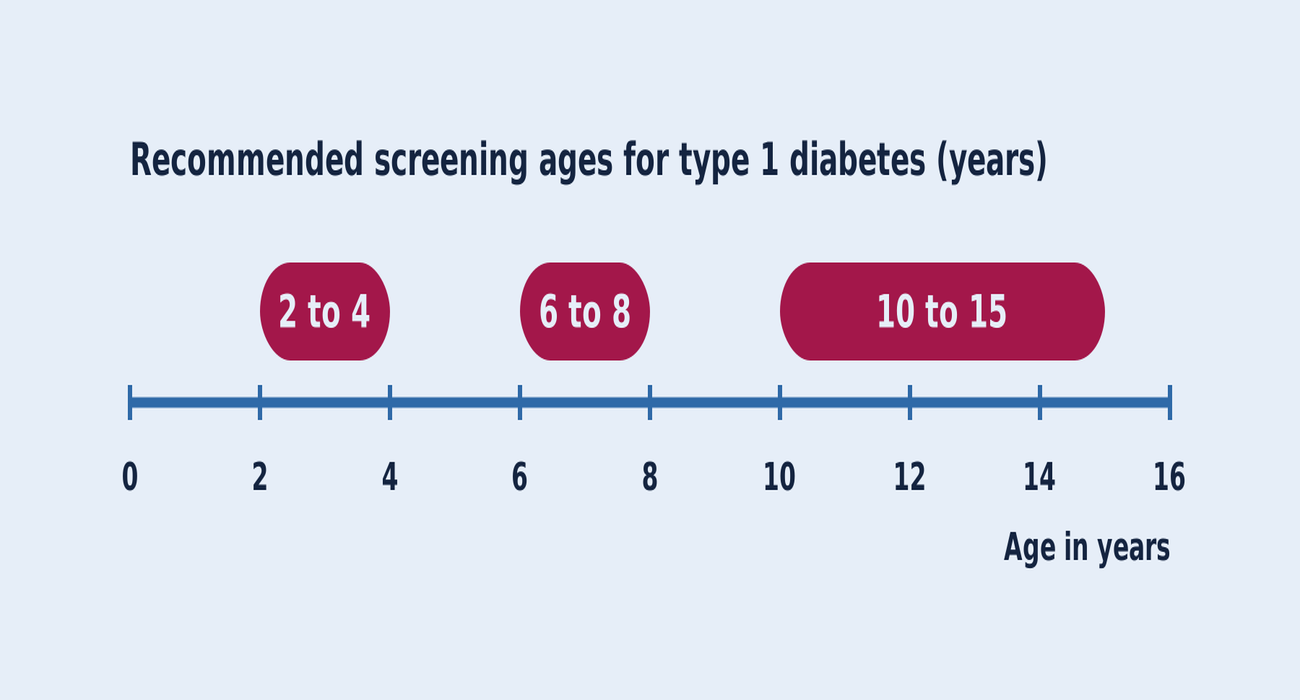
On 10 September 2026, the first international consensus guidance on general population screening for early stage type 1 diabetes was published in Diabetologia. Written by nearly 30 experts led by Professor Anette-Gabriele Ziegler of Helmholtz Munich, and endorsed by 20 organisations including EASD, ISPAD and IDF Europe, it recommends screening all children for islet autoantibodies between the ages of 2 and 4, with repeat screening between 6 and 8 and between 10 and 15. Positive results should be confirmed with a second test. The authors note that more than 85 per cent of new cases occur in children with no family history of the condition, which is why screening only relatives misses most children. Results from eight European countries presented at EASD 2026, described in the Conference Reports section, show that this approach can work in practice.
Early detection matters only if children are supported afterwards. In Iraq, the Prime Minister directed the Ministry of Finance on 19 September to fund medicines, devices and supplies for children with diabetes, after meeting the Children with Diabetes Care Association and families of affected children. In Saudi Arabia, where an estimated 46,469 young people under 20 were living with type 1 diabetes in 2024 according to IDF data, families are preparing for the new school year with schools that may not be ready. A national study published in 2019 found that 27.3 per cent of students had no help with glucose monitoring at school and 28.3 per cent had no access to treatment for hypoglycaemia.
Screening, funding and school readiness are parts of the same promise: that every child with type 1 diabetes is identified early, cared for safely and able to learn alongside their peers.
○ ADVOCACY ACTION FOR PARLIAMENTARIANS Parliamentarians should ask their governments whether a type 1 diabetes screening pilot is planned in response to the new international consensus, and whether children living with diabetes receive insulin, sensors and supplies free of charge. Education committees can also check that every school has a care plan and trained staff, so that no child misses out on learning because of diabetes. |