Parliaments and Courts Reshape Food Environments
October 22, 2026
People make food choices within environments they did not design. Labels that are hard to read, aggressive marketing to children and cheap ultra processed products all shape diabetes risk long before anyone enters a clinic. This quarter, courts and parliaments in four countries acted on that reality.
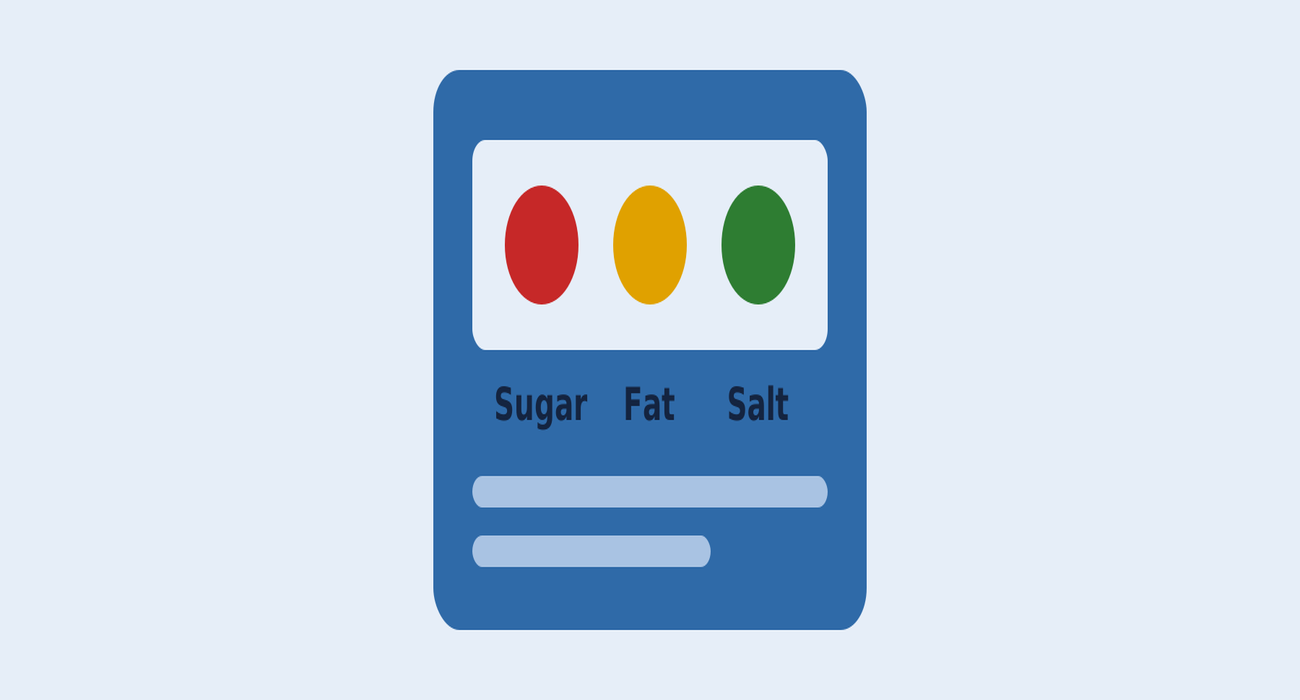
In Indonesia, the Constitutional Court ruled on 29 September 2026, in Decision No. 110/PUU-XXIV/2026, that provisions of the Consumer Protection Law and the Health Law are conditionally unconstitutional unless they require colour coded labels for sugar, salt and fat on packaged food and drinks. The Court explicitly linked the measure to reducing obesity, hypertension, cardiovascular disease and diabetes. The Ministry of Health and the food and drug authority, BPOM, must now draft the technical standards.
In India, a Parliamentary Standing Committee report tabled on 24 July urged the Food Safety and Standards Authority of India to notify its front of pack labelling regulations within a fixed timeline. The draft has been pending since September 2022 and has received more than 14,000 comments. The Committee also recommended a red, yellow and green colour code and a mandatory declaration of added sugar on foods for infants and children.
In the United Kingdom, the House of Commons Health and Social Care Committee, chaired by Layla Moran, published its report on fixing the food environment on 15 July. It estimated the cost of obesity at £74.3 billion a year, noted 14 government strategies since 1992, and recommended mandatory traffic light labels by January 2028 and a ban on outdoor advertising of foods high in fat, sugar or salt by July 2027. A day later, the Government confirmed that sales of high caffeine energy drinks to children under 16 will be banned from April 2027.
In the United States, the Senate HELP Committee advanced the Childhood Diabetes Reduction Act (S. 5026), sponsored by Senators Bernie Sanders and Bill Cassidy, which would require warning labels on high sugar and ultra processed products and limit junk food advertising aimed at children. It was placed on the Senate calendar on 28 July. In California, Governor Gavin Newsom signed AB 2244, creating a voluntary state seal for foods that are not ultra processed.
○ ADVOCACY ACTION FOR PARLIAMENTARIANS Parliamentarians can use committee inquiries, private members' bills and questions to ministers to press for mandatory, easy to read front of pack labels with fixed deadlines, and for limits on the marketing of unhealthy food and drink to children. The examples from Indonesia, India, the United Kingdom and the United States show that parliaments and courts can move these measures forward when governments delay. |